IoT Software for Utility Operations
Connect field observations with utility operations through software that manages device data, preserves asset context, and makes measurements and events available to operational teams and existing systems.
Explore IoT software ↘Turn Field Observations into Organized Operational Data
IoT software connects field observations with operational applications. It manages device data, preserves useful context, and makes events and measurements available to users, enterprise systems, and decision functions.
For electric, water, and other utility operations, this can include information from substations, distribution assets, smart meters, pumping equipment, and environmental sensors.
The software layer helps turn individual device messages into organized operational records. It can associate readings with the correct asset, account for differences between event time and receipt time, identify incomplete or duplicate data, and route relevant information to the people and systems responsible for follow-up.
Connect Field Devices and Ingest Operational Data
Utility environments contain a mix of installed instruments, remote terminal equipment, meters, gateways, and newer connected devices. IoT software provides the ingestion layer between these sources and the applications that use their data.
Device adapters and interfaces receive measurements, status changes, and event messages, then apply a consistent structure before the information is stored or shared.
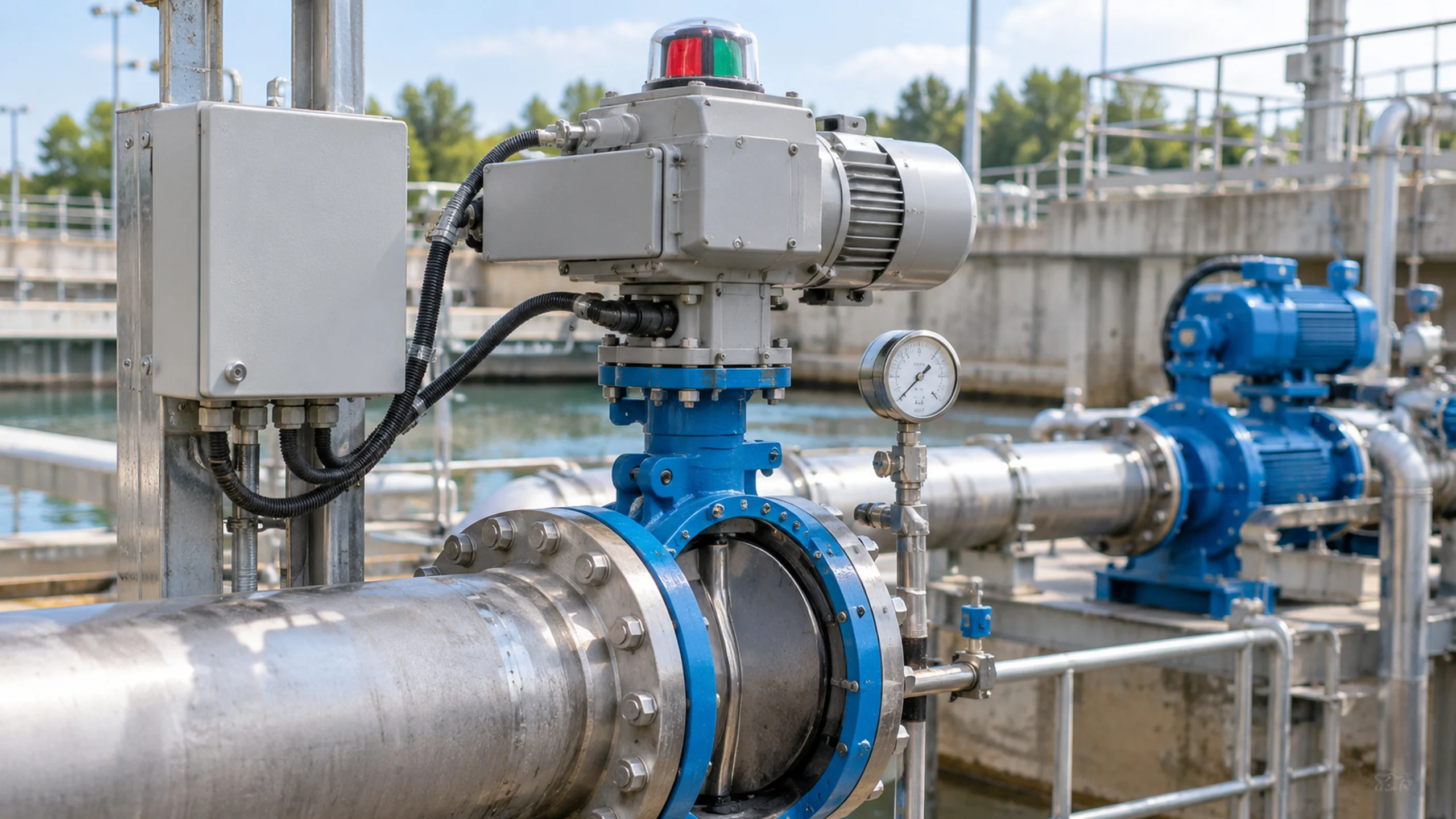
Depending on the use case, incoming data may include transformer temperature, electrical load, breaker status, cabinet conditions, feeder measurements, meter readings, pump pressure, flow, tank level, or site environmental conditions.
Each record needs enough context to be interpreted correctly, including an asset identifier, measurement name, value, unit, timestamp, source, and data-quality status.
A gateway may temporarily collect and forward data when a field connection is intermittent. The ingestion service should preserve the original event time while recording when the message reached the receiving system. This distinction helps operators and analysts recognize delayed delivery rather than treating an old measurement as current.
Manage the Device Lifecycle
Connected-device management begins with a controlled onboarding process. Each device should be registered against an asset or location record, assigned a unique identity, and configured with the communication and measurement settings required for its role.
Device Registration
Maintain an inventory that records device type, installation location, owner, configuration version, and maintenance responsibility.
Device Health Monitoring
Track last communication time, connectivity state, reported faults, and other indicators of device availability.
Configuration Management
Maintain a record of approved configuration changes and the device configuration in effect at a given time.
Firmware and Software Updates
Coordinate updates through maintenance windows, compatibility checks, and recovery planning.
Maintenance and Calibration
Retain inspection and calibration records where connected instruments require periodic adjustment or verification.
Device Decommissioning
Revoke access, close active associations, and preserve the historical records required for traceability.
Maintain Reliable Operational Data
Utility data services should preserve measurement history while making data quality visible. Validation and normalization help identify exceptions without hiding information that may be important for operational review.
Validation and Normalization
Identify malformed values, missing fields, unexpected units, stale readings, and records that arrive out of sequence. Quality flags should distinguish valid, suspect, incomplete, and unavailable observations.
Duplicate Event Handling
Where a source provides a stable event identifier, the receiving service can recognize repeat delivery and avoid creating multiple operational events from the same message.
Conflict Preservation
If two records share an identifier but contain conflicting values, retain the conflict for review rather than overwriting one record without trace.
Consistent Time and Units
Use documented measurement units and a consistent time standard. ISO 8601 timestamps in Coordinated Universal Time (UTC) can support comparison across sites and time zones.
Turn Device Events into Operational Workflows
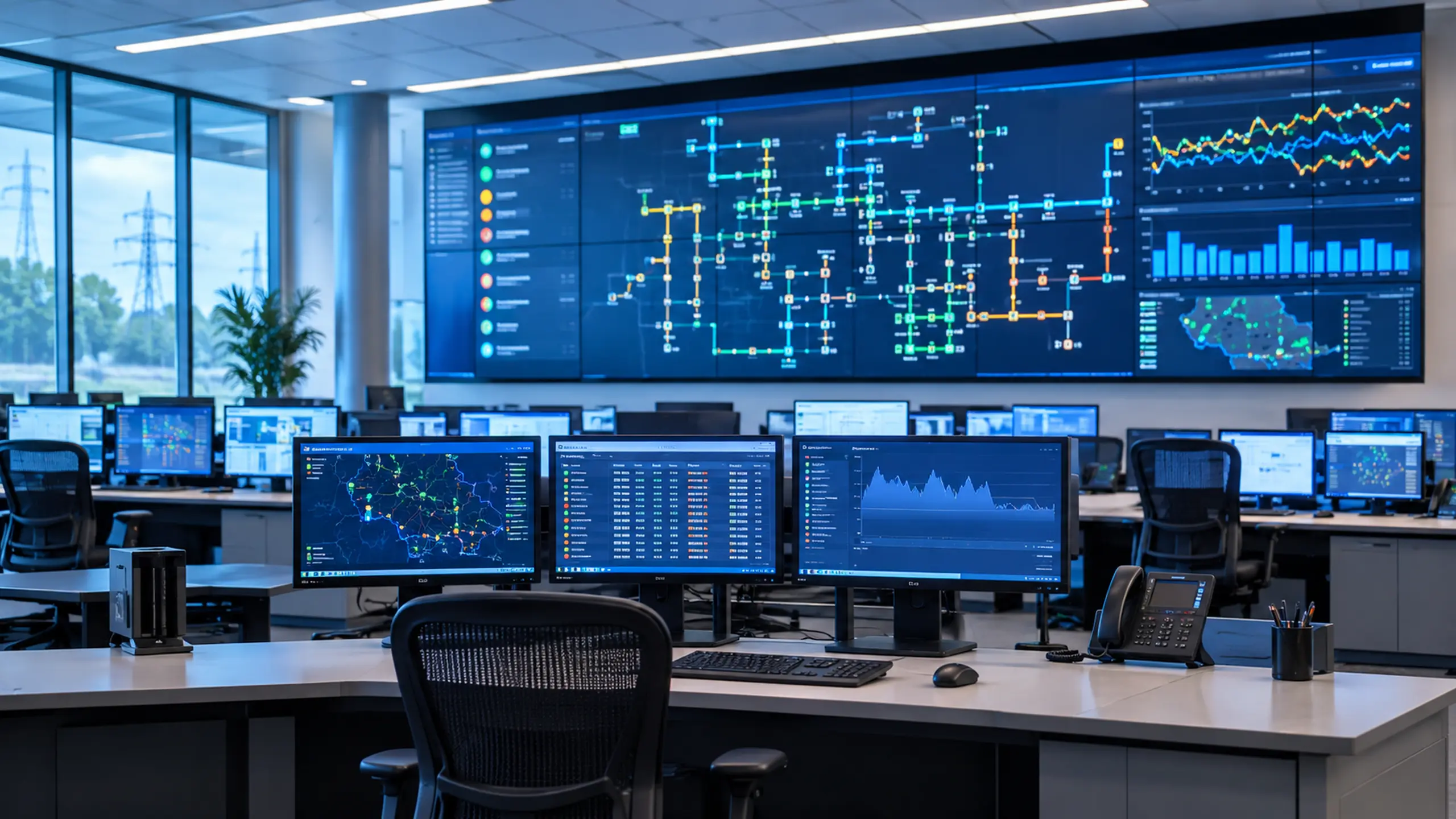
IoT software can present current readings, trends, device status, and exceptions through dashboards and notifications. Views should be organized around the work of the intended user.
Make Relevant Events Available to the Right Teams
A distribution operator may need to review feeder conditions, a substation technician may need to check equipment status, and an asset manager may need to review recurring device faults. Each user requires information presented in a form that supports the work they are responsible for.
Operational workflows may include role-based access, alert acknowledgment, assignment to a responsible team, approval records, comments, and an audit trail of changes.
Example Data Flow for a Utility Asset
A substation transformer monitoring workflow can be organized into a sequence that preserves the distinction between a physical observation, a software event, and an operational response.
Field Measurement
A sensor or connected instrument records a transformer condition with a device identity and event timestamp.
Local Collection
A field gateway receives the message and forwards it over the available communications path.
Ingestion and Validation
IoT software checks the message structure, unit, timestamp, source, and quality fields.
Asset Association and Storage
The event is associated with the approved transformer record and retained with its original context.
Operational Presentation
A dashboard or notification makes the reading and any data-quality exception available to authorized users.
Follow-up and Verification
The responsible team reviews the event, records an approved action where appropriate, and captures the outcome in the relevant operational system.
Define Integration Boundaries
IoT middleware handles device communication, event ingestion, data organization, and delivery to connected applications. It has a distinct role from the physical devices that produce measurements and the analytics functions that use prepared data.
IoT Middleware and Data Services
Manage device communication, event ingestion, data organization, and delivery to connected applications.
Artificial Intelligence Analytics
AI-supported anomaly detection or forecasting can consume prepared IoT data. Model selection, training, evaluation, and monitoring belong to the software analytics layer.
Operational and Enterprise Interfaces
Potential interfaces may include SCADA and historian services, AMI data services, geographic information systems (GIS), outage-management systems (OMS), enterprise asset management (EAM) or computerized maintenance management systems (CMMS), and customer or work-management applications.
Interface Ownership and Acceptance
Each interface requires a defined data owner, identifier mapping, exchange method, security review, error-handling process, and acceptance test.
Plan for Connectivity, Recovery, and Security
Utility assets may operate across remote substations, pumping stations, metering locations, and facilities with different network conditions. Deployment planning should account for interruptions, recovery behavior, operational responsibility, and security requirements.
Network Interruption and Recovery
Specify what happens when a device loses connectivity, a gateway restarts, messages arrive late, or a receiving service becomes unavailable. Local buffering, retry behavior, message ordering, time synchronization, and duplicate suppression should be tested rather than assumed.
Edge, Server, and Cloud Deployment
Deployment decisions should account for data volume, response-time needs, network availability, site access, operating responsibility, and data-governance requirements. Edge processing may support local collection during a network interruption. Server or cloud services may support centralized history and multi-site access, subject to utility policies.
Device Identity and Access
Security planning should address device identity, authentication, role-based permissions, network boundaries, secure data exchange, update responsibility, logging, and incident response.
Operational Technology Safeguards
IoT services should be integrated with the utility’s approved operational technology (OT) and information technology (IT) security processes. They should not bypass established control-system protections or independent safety functions.
Evaluate an IoT Software Implementation
A useful evaluation begins with a defined asset group and operational question. Document the field devices, measurements, network path, asset identifiers, receiving applications, user roles, and baseline process.
Confirm which interfaces are already available, which require development, and which remain untested.
Event Completeness
The proportion of expected events received with the required fields.
Duplicate and Conflict Rate
Repeated or conflicting records after applying the documented deduplication rules.
Data Latency
Elapsed time between the original event timestamp and receipt by the target service.
Device Availability
The proportion of the evaluation period during which devices report as expected.
Data-Quality Exception Rate
Missing, stale, malformed, out-of-range, or incorrectly associated records.
Integration Reliability
Rejected messages, failed transfers, recovery behavior, and unresolved interface errors.
Workflow Usefulness
Alert acknowledgment, exception-resolution time, and feedback from the users responsible for follow-up.
Frequently Asked Questions
Key considerations when evaluating IoT software for utility operations.
What does IoT software do in a utility environment?
IoT software receives data from connected field devices, associates observations with assets, manages device status, validates and stores events, and makes information available to operational users and connected systems.
How is IoT software different from AI analytics?
IoT software manages device connectivity, data ingestion, event context, and delivery. AI analytics uses prepared data to identify patterns, estimate conditions, or support decisions. The two layers can work together, but they have different implementation and evaluation requirements.
How should IoT software handle delayed or duplicate messages?
It should preserve the original event time, record the ingestion time, use stable event identifiers where available, and apply documented duplicate and conflict rules. Delayed messages should remain identifiable as delayed rather than being presented as current measurements.
Does IoT software replace a utility SCADA system?
Not by default. IoT software may exchange data with SCADA and other operational systems, but system boundaries, control authority, interface behavior, and protective functions must be defined and validated for each deployment.
Related Technology and Integration Resources
Explore related UtilityGrid technology areas to understand how identification, sensing, software, and system integration contribute to utility applications.
Discuss Your IoT Integration Requirements
Discuss the devices, utility assets, data sources, operational applications, and deployment constraints that define your use case. UtilityGrid can help identify the information flow and integration questions that should be resolved before a pilot is scoped.